In previous blog posts we have talked about cooking fatigue, ways to organize your kitchen, meal planning and shopping with intention. Here are additional tips for making your time in the kitchen less stressful.
Start With the Basics
Let’s start with the basics. Everyone’s kitchen needs and kitchen tools will vary based on preferences and space. Some may have a full kitchen equipped with a stove, oven, microwave, air fryer, toaster oven and more. Others may have a hot plate and microwave. Regardless of your options you can eat healthily given your unique circumstances. Knowing your equipment is important. A gas stove will adjust to heat change quicker than an electric stove, therefore cooking techniques and times may vary.
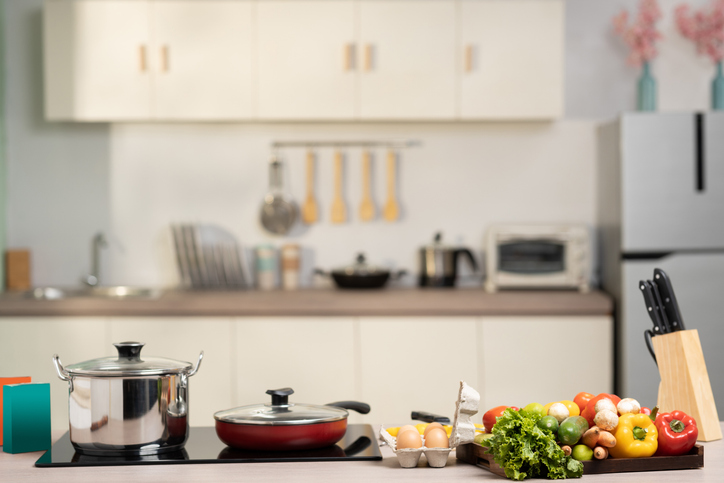
Know Your Kitchen Tools: Pans
Knowing which pots and pans work for your equipment and meals is equally important.
- Skillets or frying pans are best for fast cooking, sauteing, frying, browning and searing.
- Sauté pans are best for fast cooking larger amounts, sauteing, frying, browning and searing.
- Dutch ovens are best for slow cooking, roasting stews, braises and casseroles.
- Saucepans are best for cooking with liquid, simmering, boiling, poaching cooking grains and making sauces.
- Stockpots are best for cooking with large amounts of liquid, boiling, cooking pasta, steaming and making large amounts of sauce or soup.
- A Wok is best for many cooking techniques such as:
- large stir fries,
- deep frying,
- stewing,
- braising,
- making soups
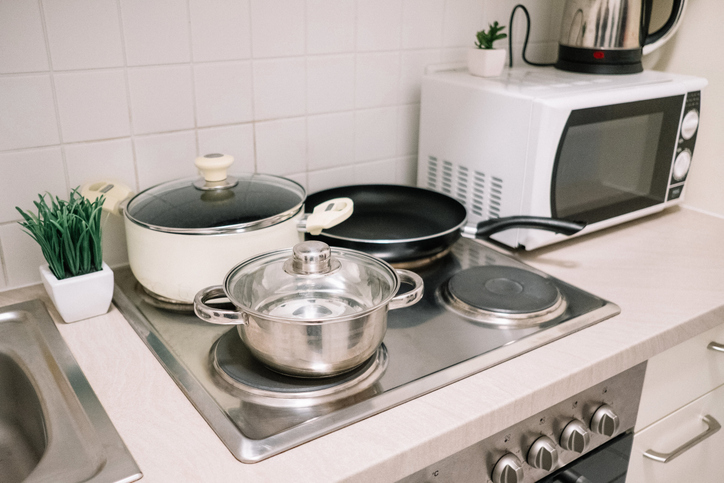
Know Your Pan Types
- Stainless steel pans are non-toxic, resistant to erosion and durable.
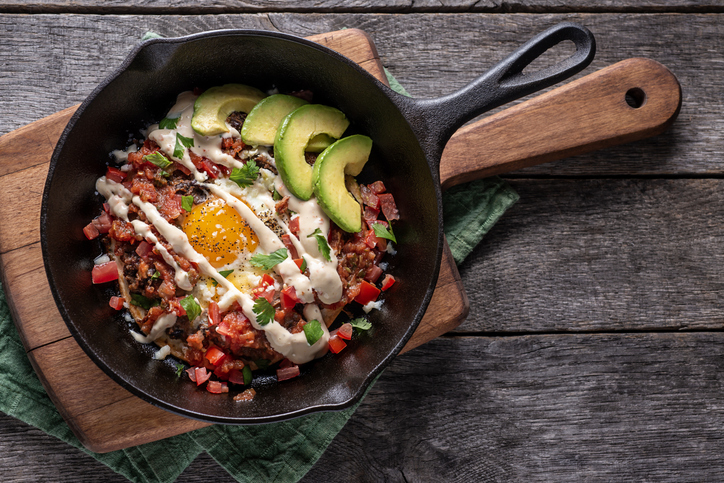
- Cast iron pans are nontoxic, can be used at high heat and provide iron benefits.
- Clay pans are natural, nontoxic and retain heat well (just be sure the clay is lead free).
- Ceramic pans are nontoxic, easy to clean and resistant to scratches.
Bowl Options
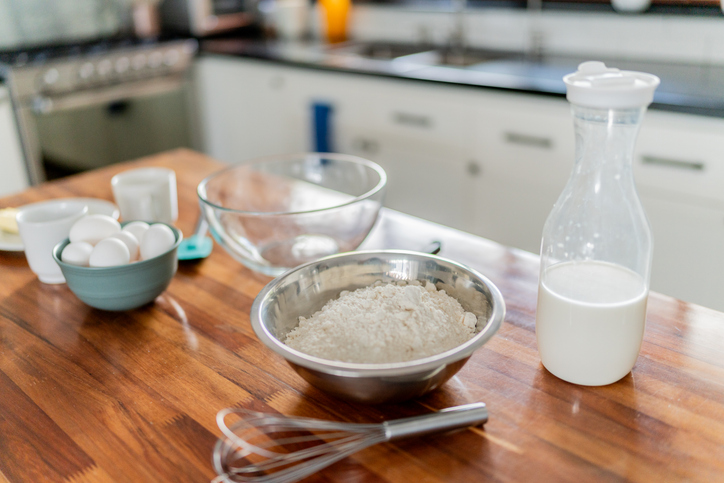
Along with pots and pans, there are benefits to using individual mixing bowls for different purposes.
- Stainless steel mixing bowls hold chill and keep cream cold for whipping.
- Glass mixing bowls provide a neutral surface and work well for doughs and batter.
- Ceramic mixing bowls retain heat and are ideal for yeast doughs.
- Plastic mixing bowls retain odor and are best for casual mixing tasks.
Improvise!
Don’t worry if you don’t have a particular pot or pan or mixing bowl for your needs. It is more important to have clean and safe cookware than a large variety of tools. Great chefs didn’t all start out with fully equipped kitchens. They used what they had and focused on technique and the health and flavors of the food. For example, you don’t need to buy a whisk if you already have forks. Forks can be used in place of whisks. You don’t need an ice cream scooper if you have large spoons. If you can’t afford glass storage containers, it’s okay. If you are following food safety rules and store your food in the right conditions, you can use what you have.
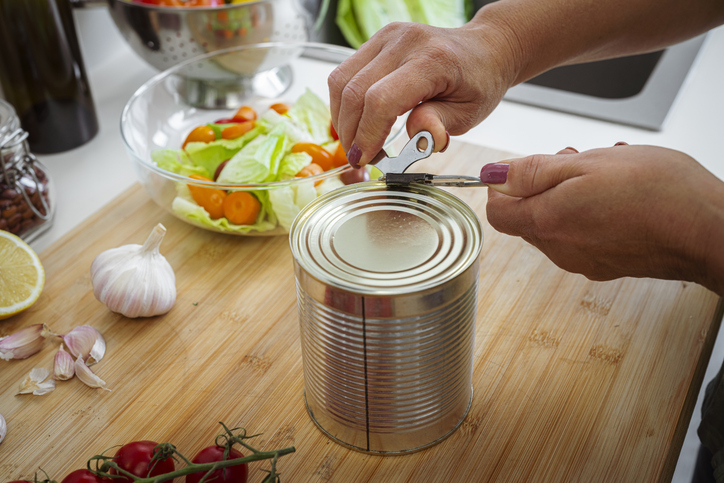
Having a few key items, such as a portable handheld can-opener, will make cooking and using canned goods easier if the power happens to go out. Cookbooks are also very helpful as a tool for the kitchen. You can find great recipes by visiting your local library and checking out its cookbook selection. Are you following a recipe for your meal? Studies have shown that having a written recipe or a cookbook is easier on the eyes and the mind than following a recipe from your phone. Be sure to check out our recipe database to save and print our featured recipes. It is far more beneficial to have recipes saved for meal planning than searching the interwebs for a new recipe every time.
Did you find this blog post helpful? Please click the heart button!